


Everything we read about surviving as a creative in the age of AI tells us the same thing: the one strength we have over the models is our taste.
But taste isn’t innate; it’s a reflection of what we consume. And right now, we’re all consuming the same thing: whatever the algorithm decides to serve us today.
“Algorithmic recommendations push us toward passivity in which we are fed culture like foie-gras ducks, with more regard for volume than quality.”
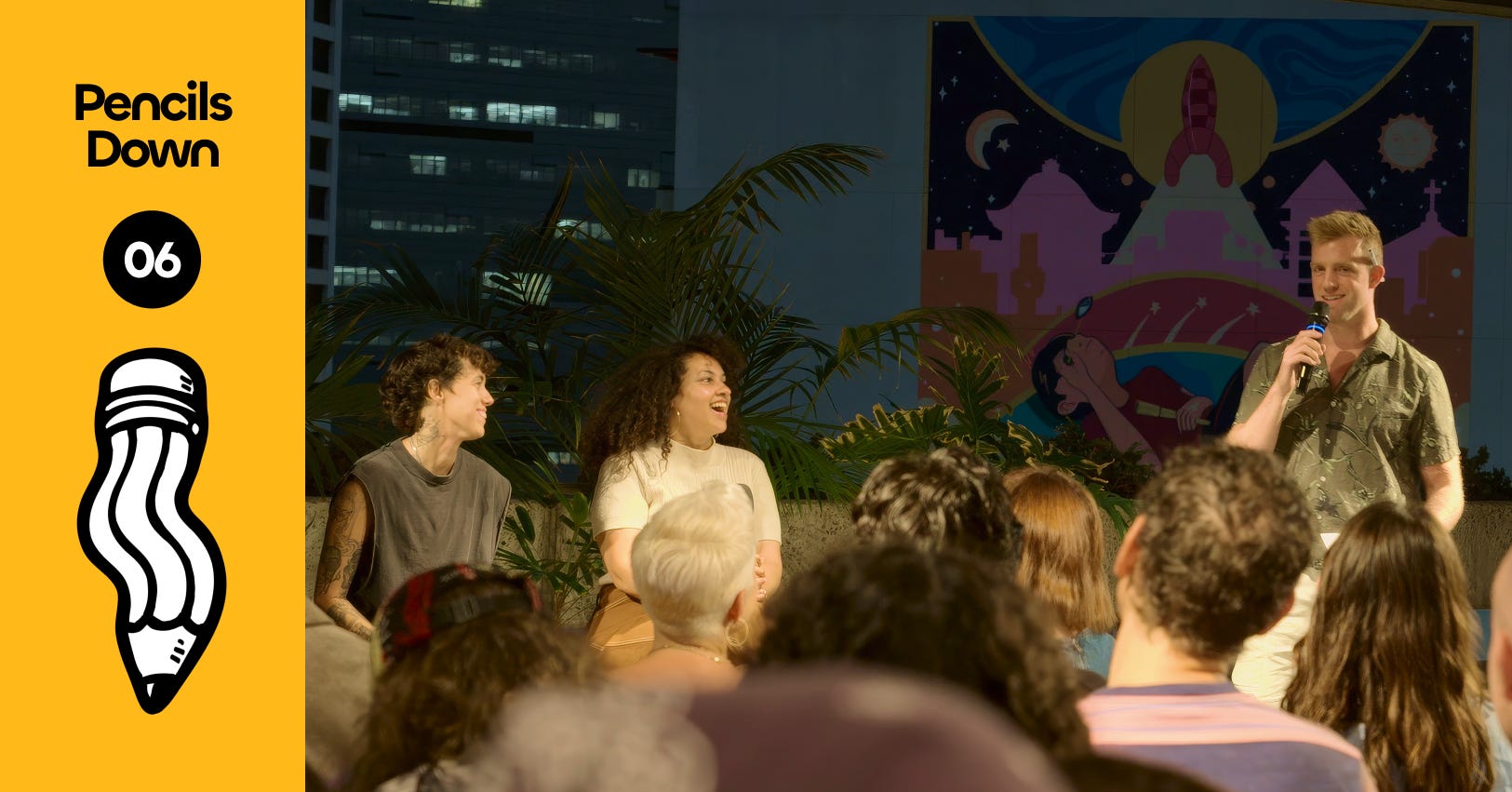
So how do we develop and maintain our taste in a world built for optimization? That was the question at the center of BUCK’s Salon on the Evolution of Taste — a panel discussion I moderated with four creatives across fashion, music, photography, and brand strategy.
Taste Is a Practice, Not a Personality
Like most things, taste requires upkeep. It’s not something you wake up with one day and never have to worry about again. It’s something you build, and something you can lose.
Our panelists shared the core elements of their personal practices for developing and maintaining their taste:
1. Retreat deliberately.
“I always retreat and find a way to go back into the shadows…”
Sussivision, Creative Consultant and Drag Performer
Walking away is essential to developing your own sense of self and taste. It’s not contrarianism. It’s a way of staying honest about what you actually believe versus what you’ve been told to believe.
As Michaela Coel put it: “Do not be afraid to disappear and see what comes to you in the silence.”
2. Get off the screen.
“When we remove ourselves and go into the real world and be with other artists, you really do get recharged on so many different levels.”
Julia Johnson, Photographer and Director
Julia spoke about her years making prints in a darkroom — not just looking at images, but physically being with other artists in a shared space.
Color in a parking lot. Torn posters layered on a wall. The lighting in a room. Taste gets developed in the world, not on the feed.
3. Stay hungry, not full.
“Sometimes we are overserved and overfed, and the portions are too big to digest.”
When we’re chronically overfed by the algorithm, we lose the ability to actually taste what we’re consuming. Protecting your hunger — your genuine appetite for something new — is inseparable from having taste at all.
Coming Together to Push Back
At BUCK, we’re not immune to any of this. Algorithms shape our clients’ briefs as much as they shape our feeds.
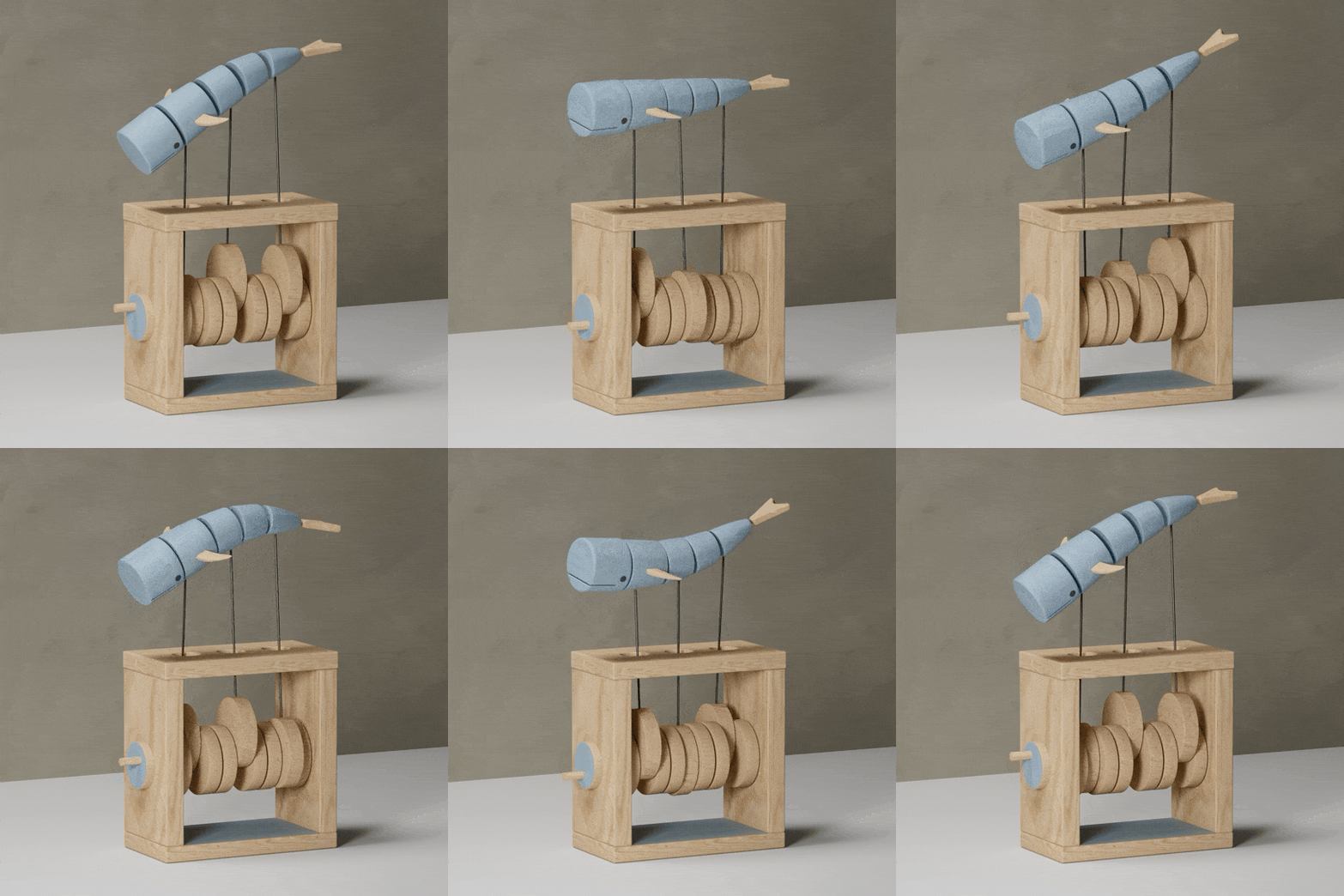
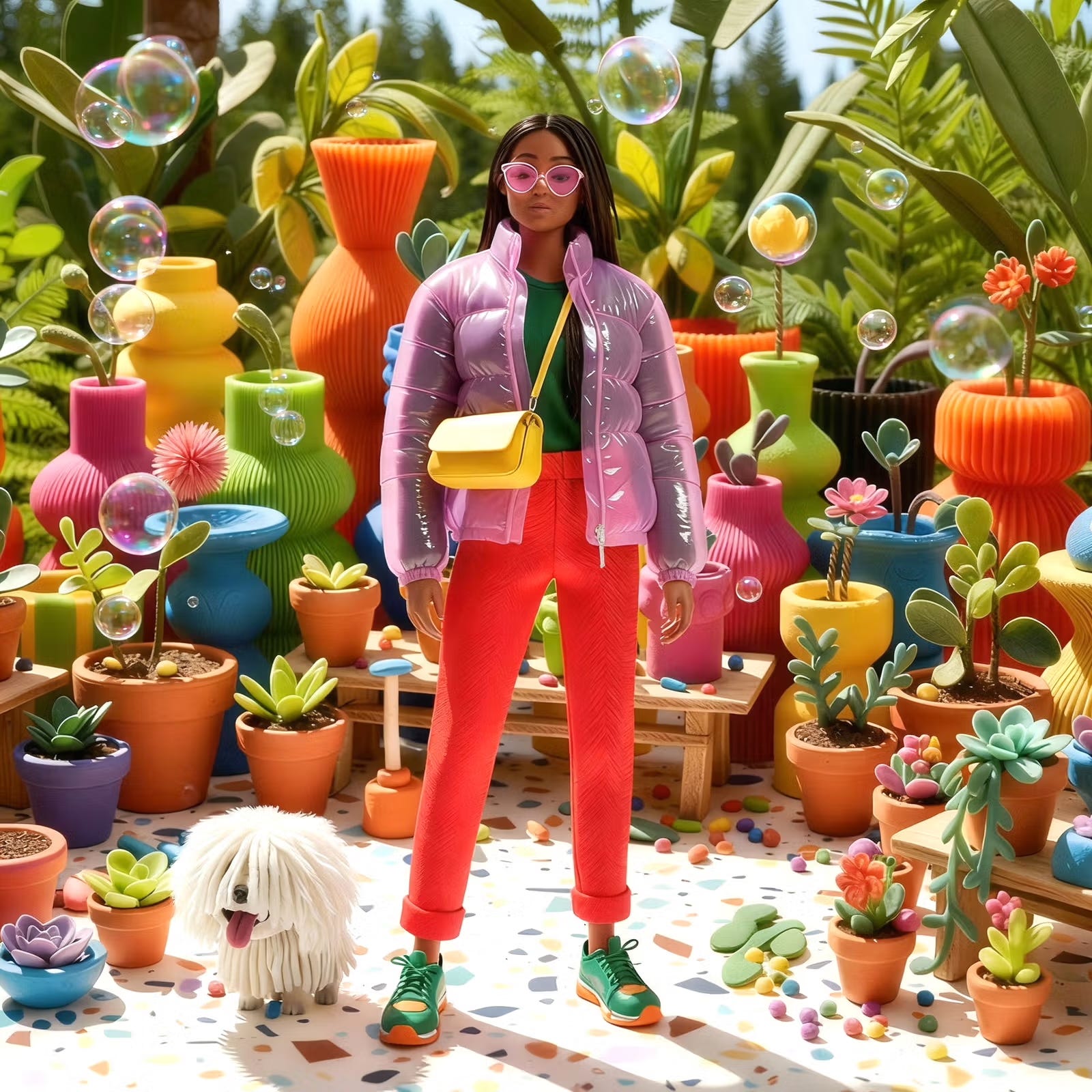
So we built Playground, an internal platform where our creative staff shares what they’re making outside of client work. The images in this piece are examples of what BUCKers have been creating in Playground. Whether it’s experiments, obsessions, or half-baked ideas, the goal is purely to keep their taste sharp and their instincts honest. No briefs. No metrics. Just making.
In a world of increasing creative ease, the ability to make something has never been more accessible, but the ability to make something worth caring about still comes down to taste. That’s still our advantage over the models. But only if we practice.
How do you step away from the algorithm to develop and maintain your own sense of taste? Let us know in the comments — and don’t forget to subscribe for more!
Going analog (paper, pens, pencils, oil pastels, ink...) is so underrated. Hand-made art has been my solace in the time of AI. Also something I find meditative: solving algebra problems!
in this age of ai people find a relief in touching and feeling analog art-it has to be born and fed irl