



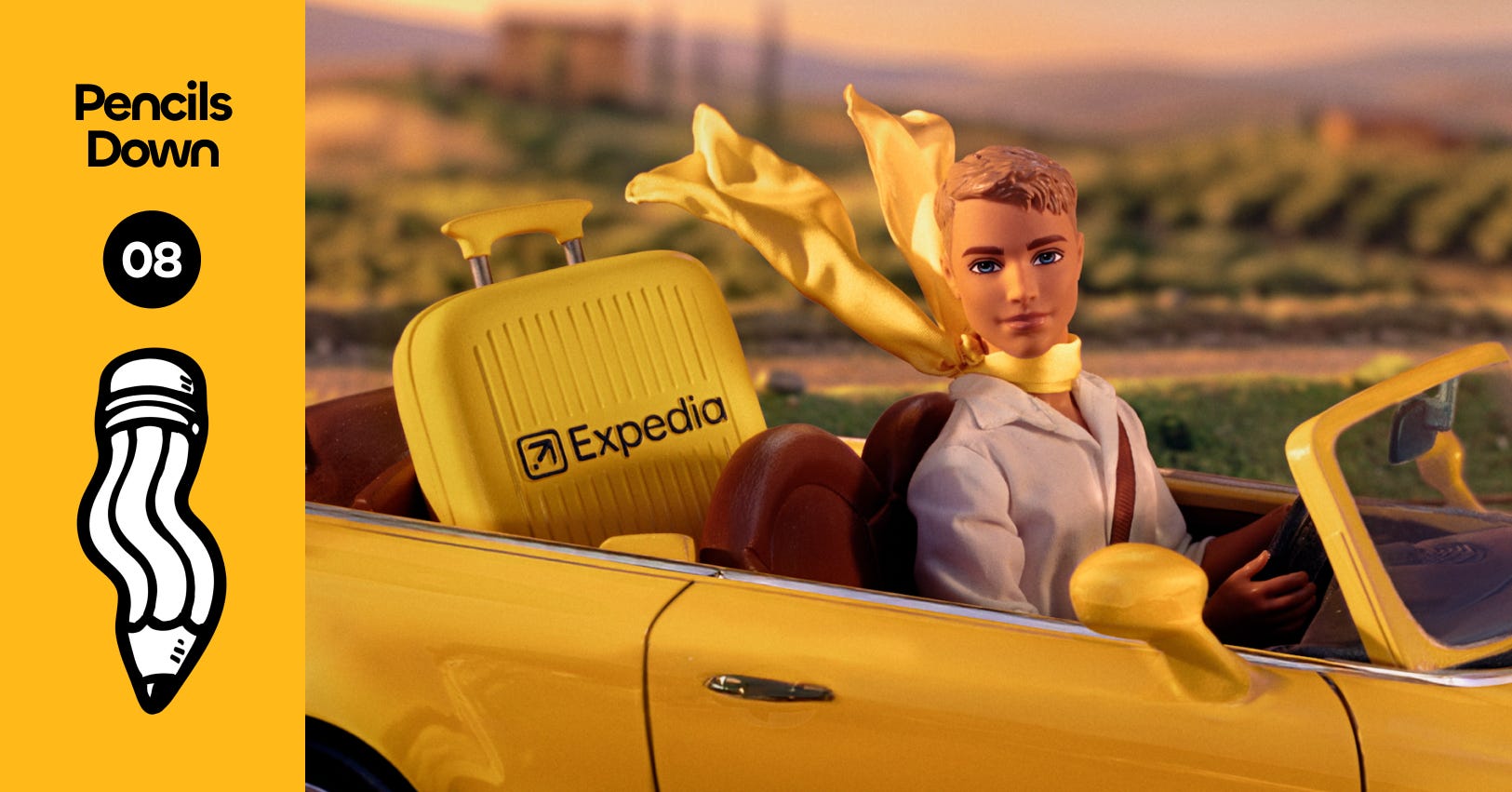
Unless you’ve been living under a papier-mâché rock, you’ve probably noticed an upswing in stop-motion animation showing up everywhere. It’s become increasingly popular across advertising, film, fashion, and music.
Back in January, we predicted the human-made craft comeback, as more AI-generated content infiltrates our feeds, the more we yearn for handmade craftiness. We tend to ebb and flow with new technologies—some resist, some embrace, and most try to find a happy medium.
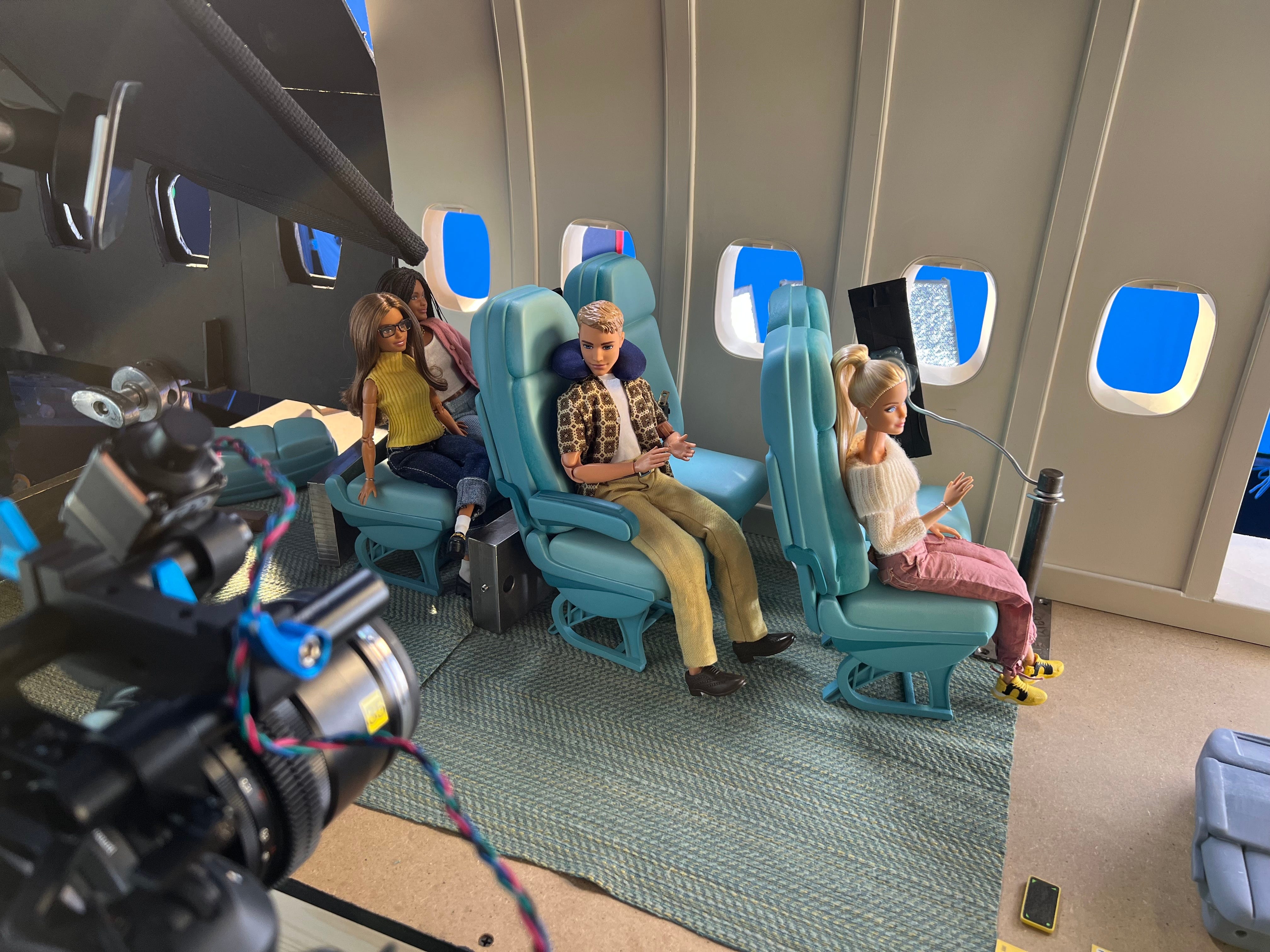
At BUCK, we’ve been riding the stop-motion wave. ‘Going Places with Ken,’ the Super Bowl spot we created with Expedia, was filmed on practical sets, bringing everyone’s favorite Malibu boy to the Tuscan countryside and the streets of Mexico City.
Robert Bisi, Creative Director at BUCK, who worked on ‘Going Places with Ken,’ described working in stop-motion as “a dream job.”
“Whenever artists are around real things, making animation or seeing stop-motion come to life, it’s like there’s something primal about the fact that you can tell that it’s real,” Bisi said. “It’s literally like magic.”
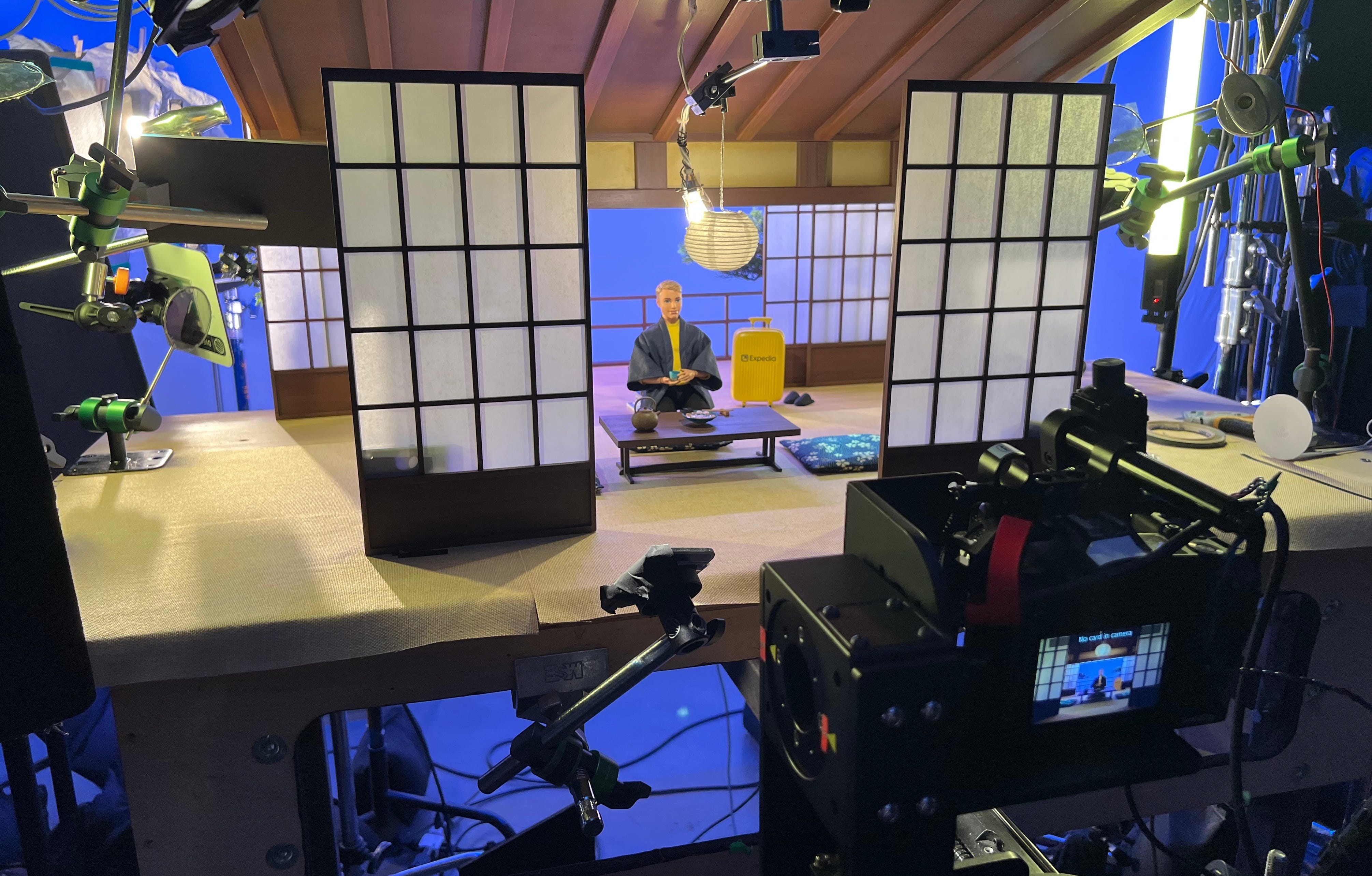
There’s no doubt we love seeing stop-motion come to life. The idea that real people are taking the time to slowly and painstakingly build and move dozens of different tiny elements in just the right way seems almost unbelievable.
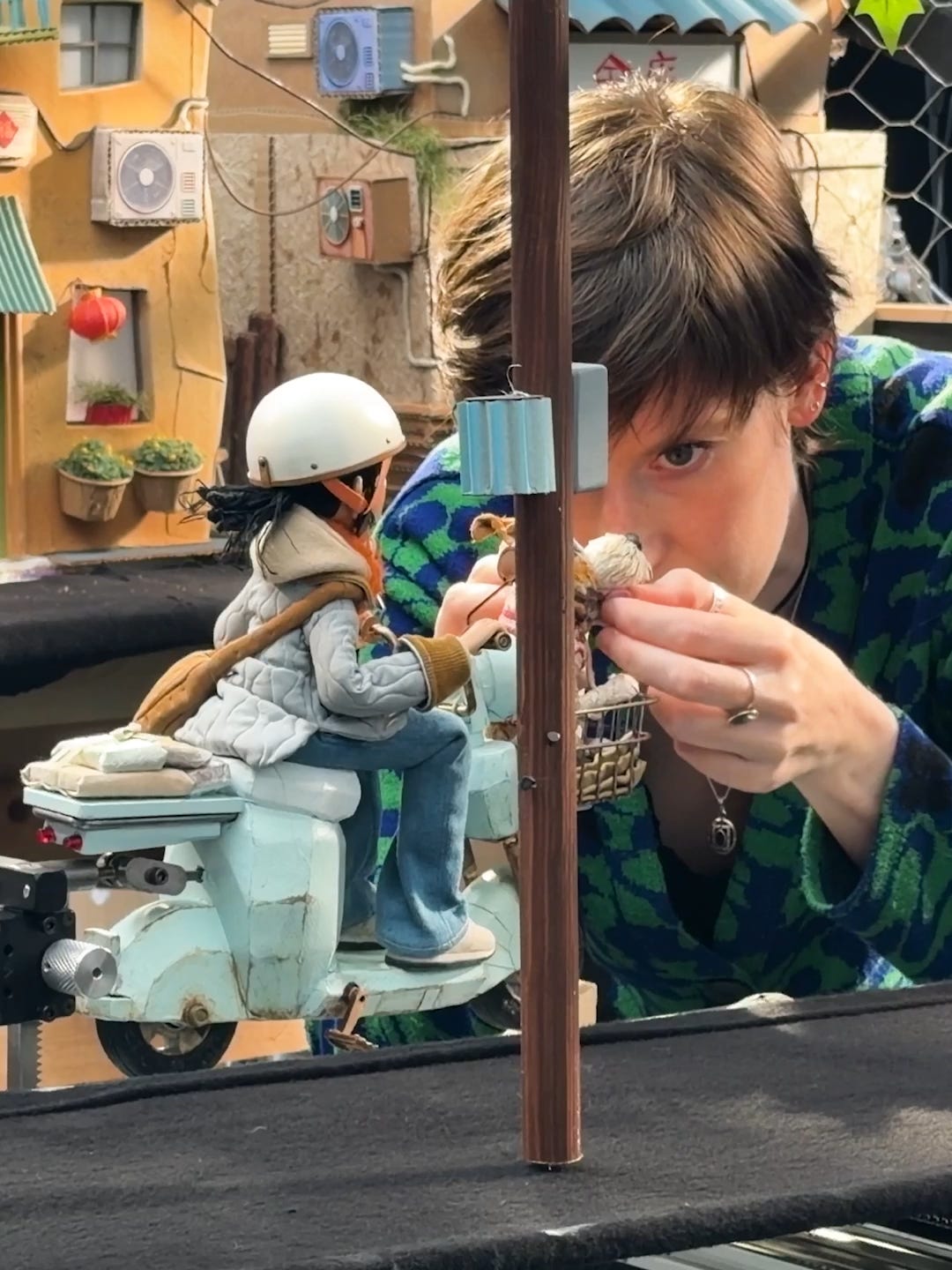
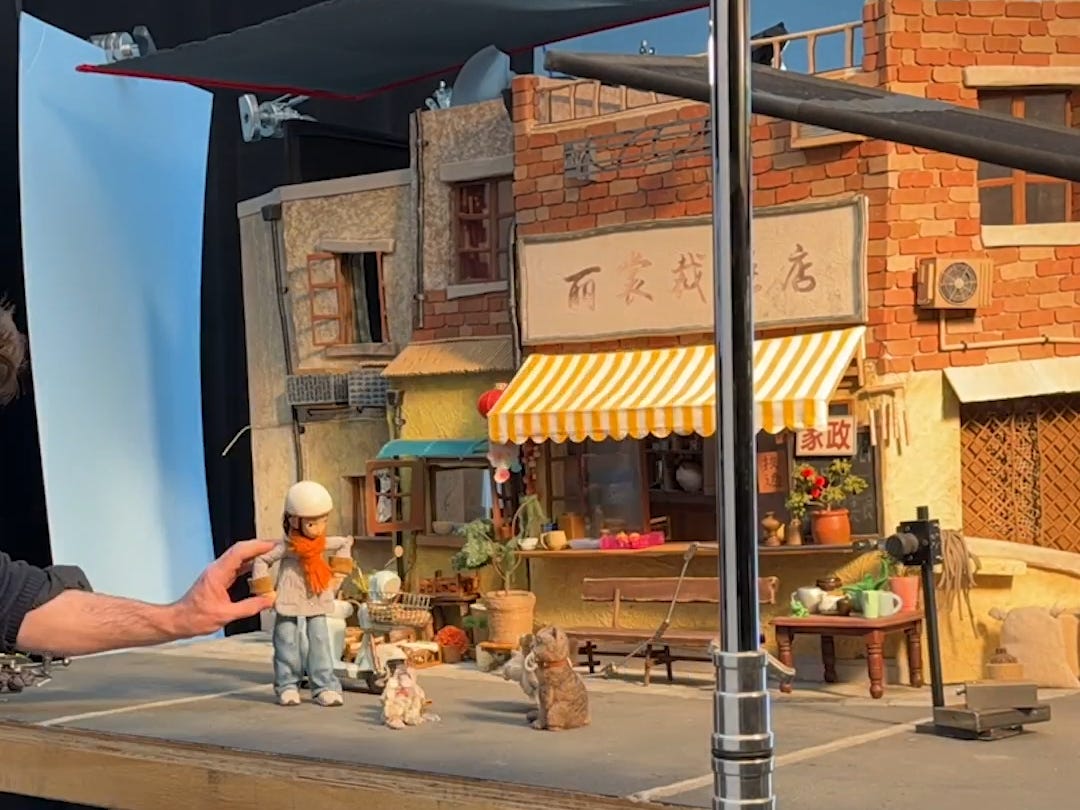
‘Glad I Met You’ is a stop-motion and digital short film we collaborated on with Apple TBWA/Media Arts Lab in Shanghai and director Bai Xue to celebrate Chinese New Year. The film involved creating 20 different replaceable mouth shapes, and magnetic eye sockets that allowed artists to move the characters’ eyes millimeters at a time. We posted a pretty sick BTS look at how it was made.
“In the same way that we’re impressed by human achievement in sport, there’s an earned quality to stop motion,” said Ege Soyeur, Creative Director at BUCK, who worked on ‘Glad I Met You.’ “The physical work that went into making [the stop-motion film] imbues it with a kind of essence. It almost gives it superpowers.”
You could generate thousands of beautiful images with a click, or draw a digital scene that mimics stop-motion down to the smallest detail. Yet filmmakers and brands return to this labor and time-intensive process time and time again. So why do we keep coming back?
“When brands invest in stop-motion, it says something about the brand,” Bisi said. “They value creativity and process. A lot of the biggest splash that these stop-motion films make online is from behind-the-scenes reels.”
It’s true. Apple’s hand-crafted peek behind the curtain for its MacBook Neo ad saw over 164k likes, and Coinbase’s video game-esque BTS reel got tons of love as well. Even outside the traditional ad world, people lauded the making of Sabrina Carpenter’s stop-motion Coachella teaser. With comments praising the use of live-action and stop-motion elements over AI, it’s easy to see why a brand would want to show users that it values craft.
“People now look at images, and they’re like, ‘Is this real? Is this not real? I don’t trust what I’m seeing.’ And then to see that BTS, it almost validates the magic trick,” Ege said.
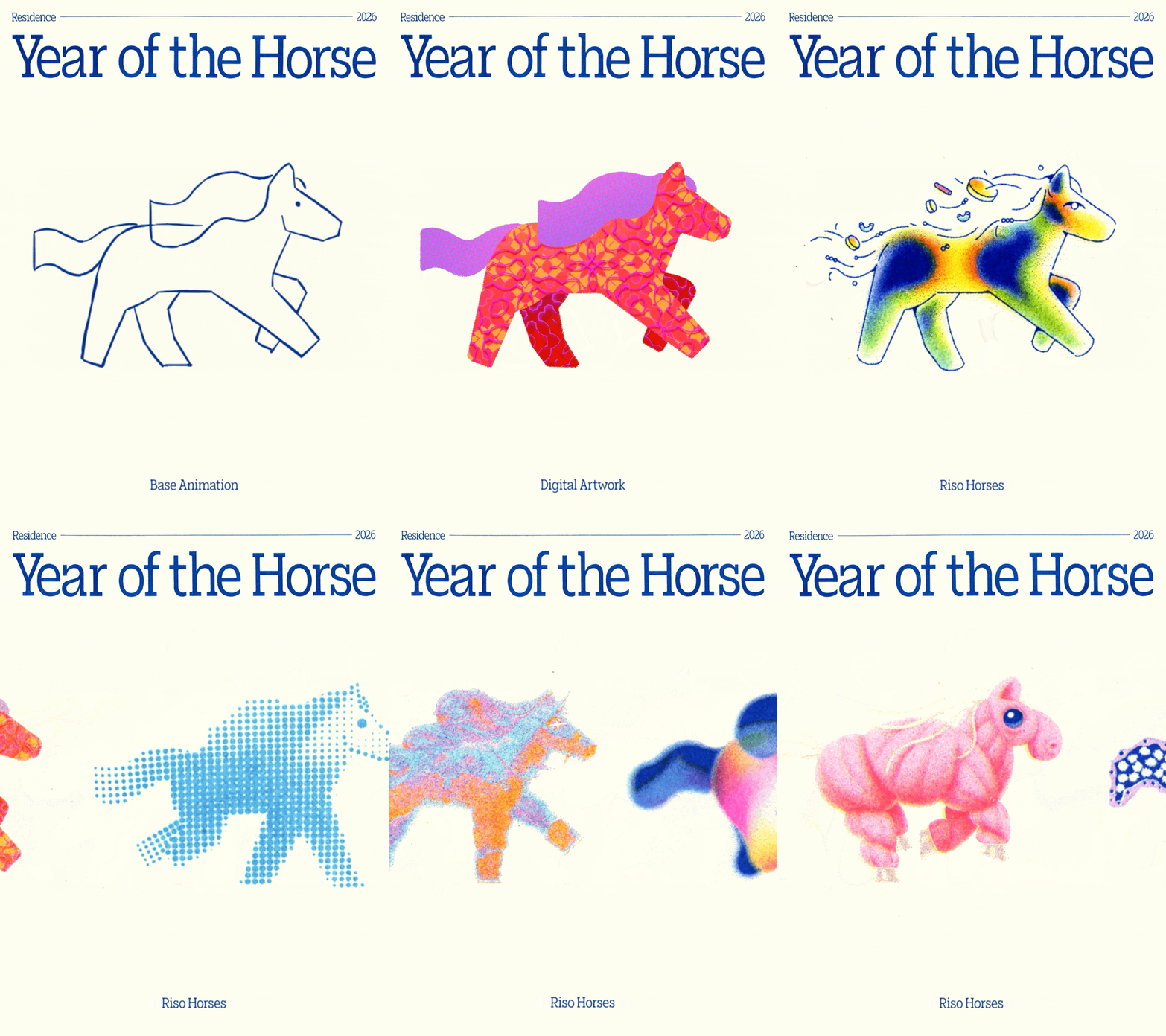
Analog animation doesn’t have to look one way, either. Kelli Anderson is an artist who pioneered RISO animation, a technique that uses physically printed risograph frames, scanned into a computer to create an animation. In celebration of the Year of the Horse, Kelli collaborated with the creative network Residence to turn multiple artists’ Riso prints into a horse animation.
According to Ege, stop-motion still limits the quick edits and revisions that we’ve grown accustomed to, and it takes a lot of time and custom, detailed props to make it work. But that’s the fun of it! Stop-motion animation is an opportunity for brands to show they care about the craft that goes into making a great ad, and they value the artists behind the work.
Like everything, the pendulum will undoubtedly swing away from stop-motion at some point. And then it’ll probably come back. Where there’s always going to be evolving technology to experiment with and use as a tool for creativity, there will always be good, old-fashioned stop-motion animation to come back to when we’re yearning for that handcrafted touch.
How do you feel about the increase in stop-motion animation lately? Is it fleeting or here to stay? Let us know what you think in the comments.
Wow!! Thanks for sharing such great work. I’ve seen a huge rise in hand-drawn graphic design recently, which is most definitely in response to Generative AI. Personally, I’m loving the swing back to a hand-made feel.
It's been a few years since I started seeing this style pop up (gaming, animation, and more commercial work) so I think that it officially graduated from fad to mainstay :D